Paid receipt for a small business sale: the clean field checklist
A small business receipt checklist for goods, services, deposits, and manual payments that need a customer-ready record.
What this guide covers
- Issue a paid receipt only after money has been received.
- Use line items that match what the customer bought or paid for.
- Keep one copy with your internal sale record.
Table of contents
When a small business should issue a paid receipt
A paid receipt is appropriate after a customer pays for goods, services, a deposit, or a balance due. It is the customer copy of a completed payment, not a payment request.
Small teams often need receipts outside a full POS flow: a market booth sale, an in-person service visit, a bank transfer, or a customer who wants a clean PDF for their own bookkeeping.
Use it for completed payment
The amount paid should match the money you received or the payment confirmation in your own system.
Use it for partial payment
Label deposits and partial payments clearly so the receipt does not imply the full balance is paid.
Basic fields for a paid receipt
The receipt should identify the seller, customer, payment, and sale without forcing the customer to ask follow-up questions.
| Field | Why it matters |
|---|---|
| Business name | Shows who received the payment. |
| Customer name | Connects the copy to the buyer or account. |
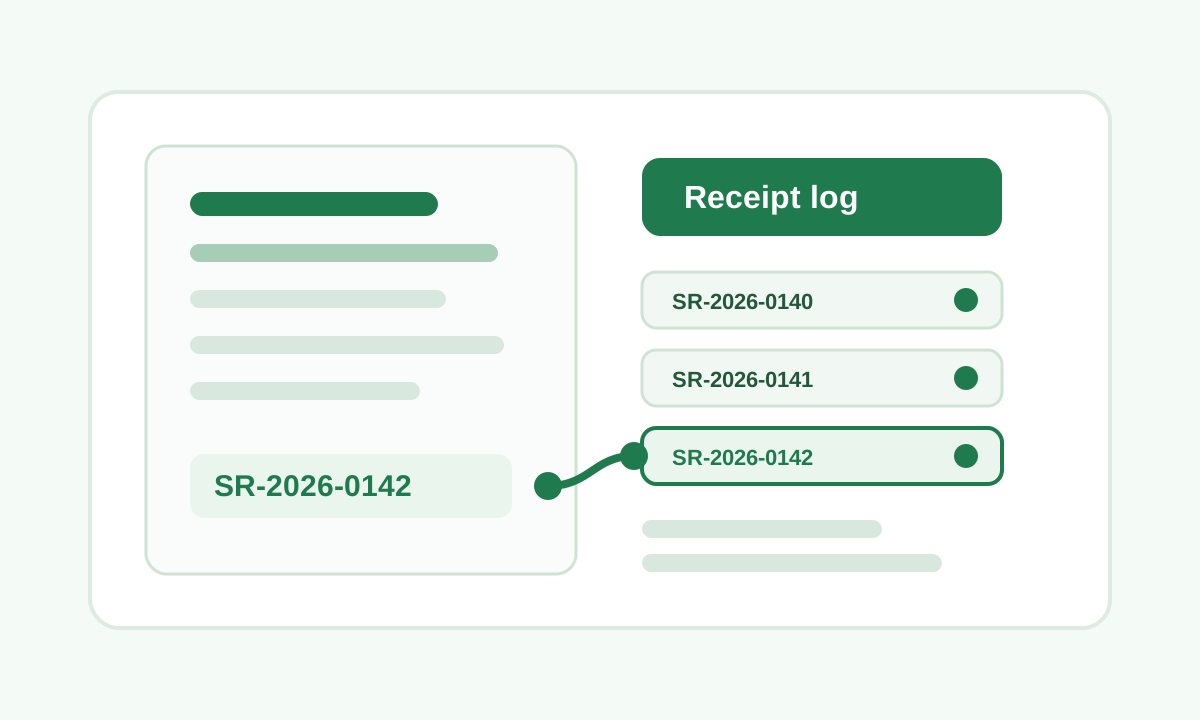
| Receipt number | Gives both sides a stable reference. |
| Line items | Explains what the customer paid for. |
| Amount paid | Confirms the money received. |
| Payment method | Records cash, card, transfer, check, or platform payment. |
Make line items specific enough
A line item should be short, factual, and useful months later. Generic labels like service or item make receipts harder to reconcile.
For goods, include the product name, quantity, and unit price when those details matter. For services, include the service name, scope, date, or location when that context explains the total.
Goods
Example: two walnut shelf brackets, one installation kit, or five catering trays.
Services
Example: onsite consultation, appliance repair labor, or monthly bookkeeping package.
Deposits
Example: 50 percent deposit for event florals, remaining balance due on delivery.
Handle corrections without confusing the record
Mistakes happen: a customer name is misspelled, a line item needs more detail, or a tax label was selected incorrectly. Correct the receipt in a way your records can explain.
Keep the original sale record, mark the corrected receipt clearly, and avoid changing payment amounts unless the underlying transaction was also corrected.
Turn this guide into a receipt
Enter the sale details you control, review the fields, and export a customer PDF.
Open receipt maker
Receipt checklist before sending
- Payment has actually been received.
- Receipt number is unique.
- Line items match the sale.
- Totals add up.
- Payment method is accurate.
- Partial payments are labeled as partial.
- A copy is stored with the sale record.
FAQ
Is a paid receipt the same as an invoice?
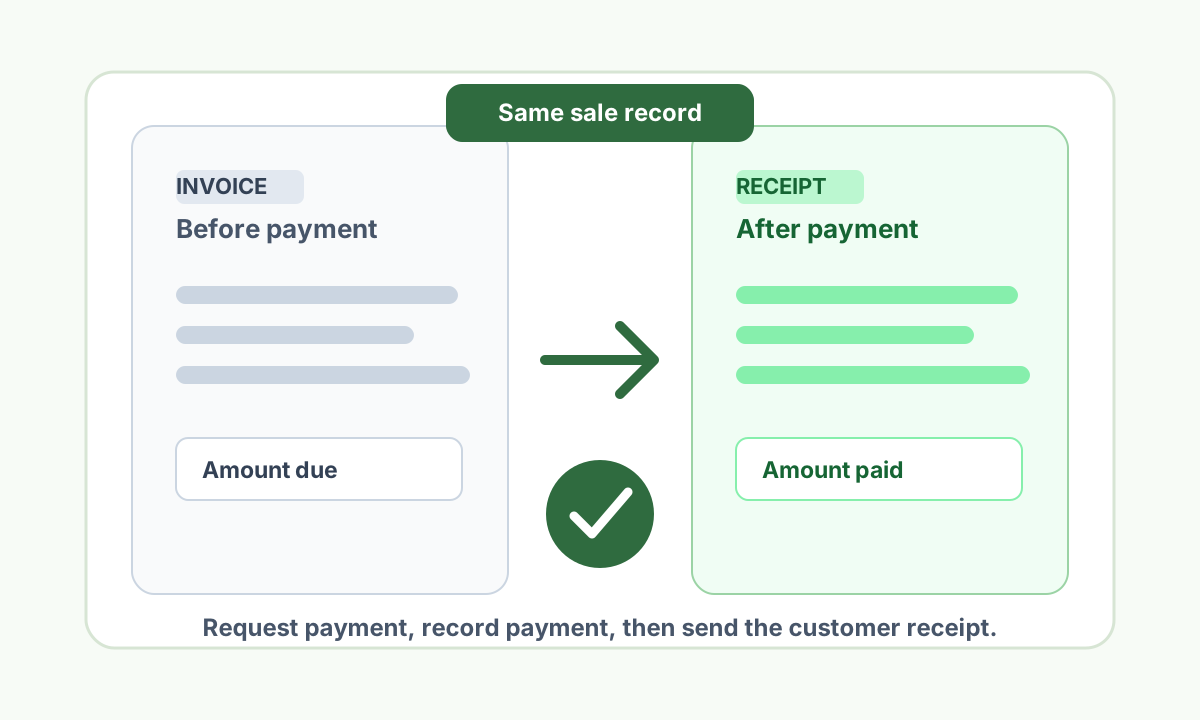
No. An invoice requests payment. A paid receipt confirms payment already received.
Can a receipt include both goods and services?
Yes. Use separate line items when it helps the customer understand the total.
Should I include my business address?
Include the business address or service area when it belongs on your receipts. Some sellers prefer a support email and phone when they operate remotely.
Get Receipt Team
Receipt documentation and seller workflow guides.
Get Receipt writes for businesses that need clear customer receipts tied to legitimate sales, services, deposits, and internal payment records.
Related articles
Invoice vs receipt for small business: what changes after payment
7 min read · July 7, 2026
Receipt number format for small business receipts
6 min read · July 6, 2026
Deposit receipt template for service businesses: fields and workflow
6 min read · July 7, 2026